Good prompts are hard-won — so why should everyone reinvent them? This session was about turning individual prompting skill into a shared team asset: a curated, growing library of L&D prompts anyone can pull from on day one.
Two databases, one goal
Our wider team had already built a prompt database in Domo — but it wasn't designed with L&D in mind. Rather than start over, I worked with the original creators to add a dedicated Education library inside it, so our team had a home in the tool the broader org was already using.
Then I built a second, L&D-specific prompt database in Smartsheet — crafting prompts myself and curating the best ones shared by others — and grew it to 233 prompts and counting, all aimed squarely at instructional-design work.
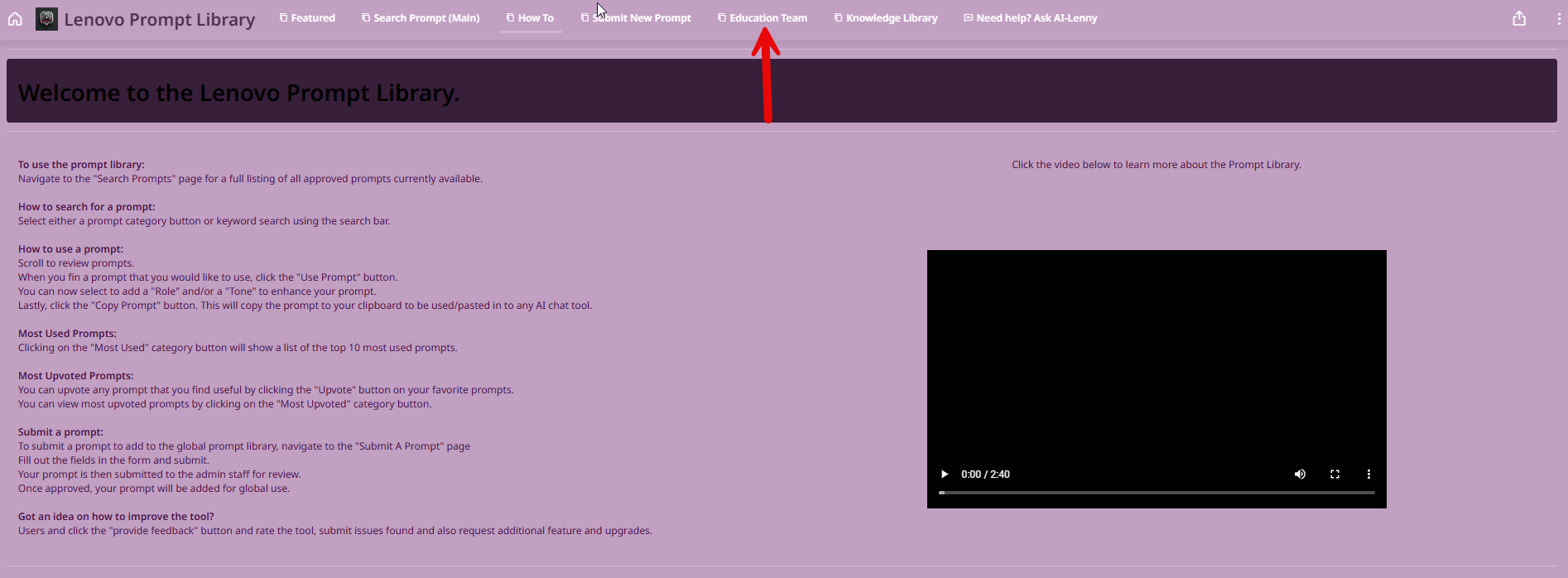
What the session covered
- Introducing the databases — what's in them, and the thinking behind an L&D-specific library.
- How to use them — finding the right prompt, adapting it to your task, and contributing back.
- Homework — everyone left with an assignment: go play with the database and put real prompts to work.
Why it matters
A prompt library is a force multiplier. It means a teammate who's never written a great assessment prompt can grab one that already works — and the whole team levels up at the speed of its best prompter, not its average one. Collaborating with the Domo creators rather than duplicating their work also kept us aligned with the wider organization instead of building in a silo.
Key takeaways
- Capture good prompts once and everyone benefits — don't reinvent them.
- Meet people in the tools they already use; extend, don't duplicate.
- A curated, L&D-specific library beats a generic one for our work.
- The best databases grow — built to be added to, not frozen.
Delivered live to my team and recorded internally for anyone who missed it.